VOLUNTEERRegenerative
Regenerative
Organic Farming.
More than Nepal's 65% population depends on agriculture, yet many farmers lack access to advanced organic strategies. Farming volunteers here not only support local farmers but also contribute to global movements for sustainable food systems that assure global food security.
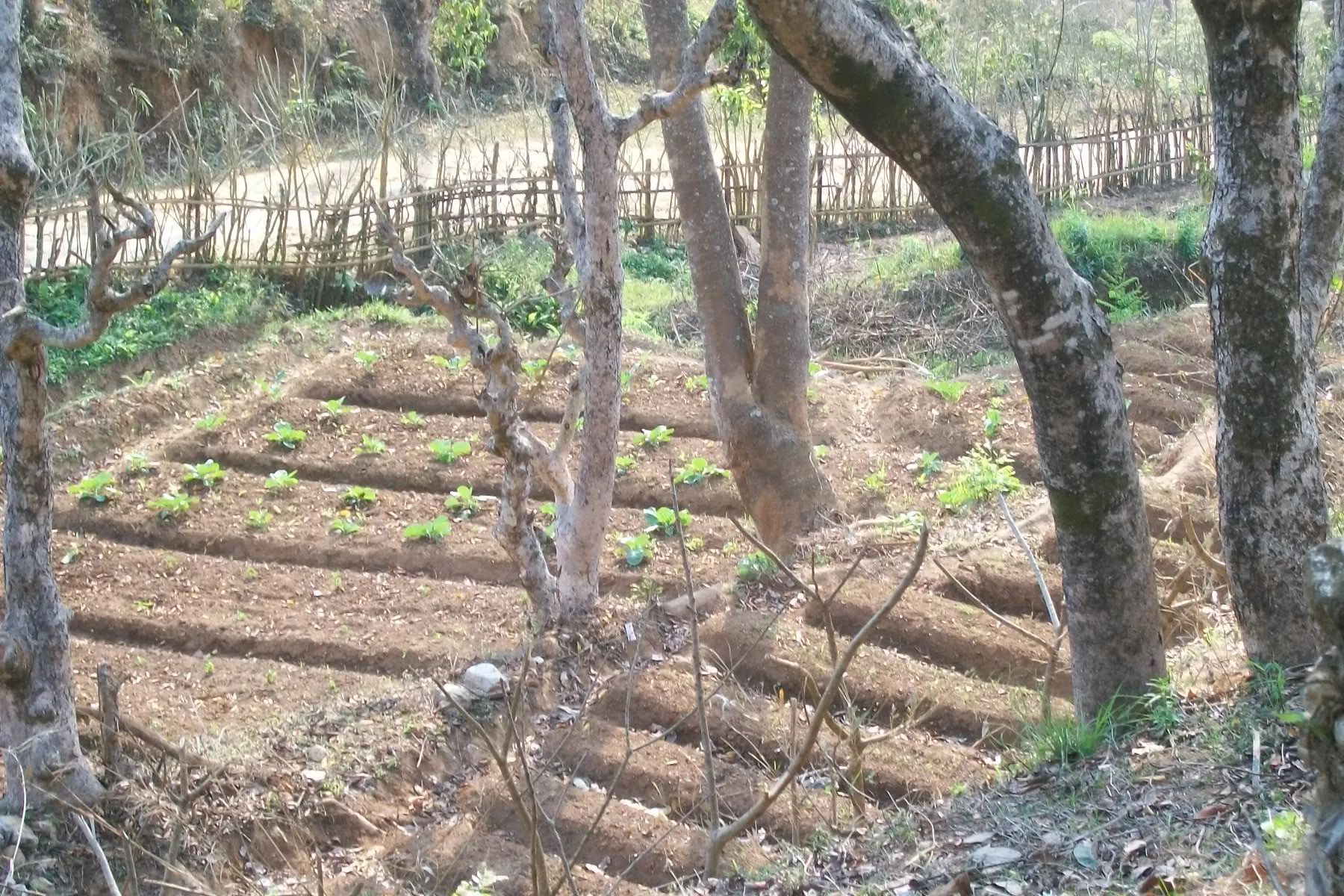
Volunteering in regenerative organic farming in Nepal offers hands-on experience with eco-friendly agriculture while directly supporting rural communities. It strengthens food security, restores degraded soils, and empowers farmers to adopt sustainable practices that benefit both local livelihoods and the global environment.
Takeaways from Volunteering.
- Volunteer programs connect international participants with smallholder farmers across Nepal's hills and valleys.
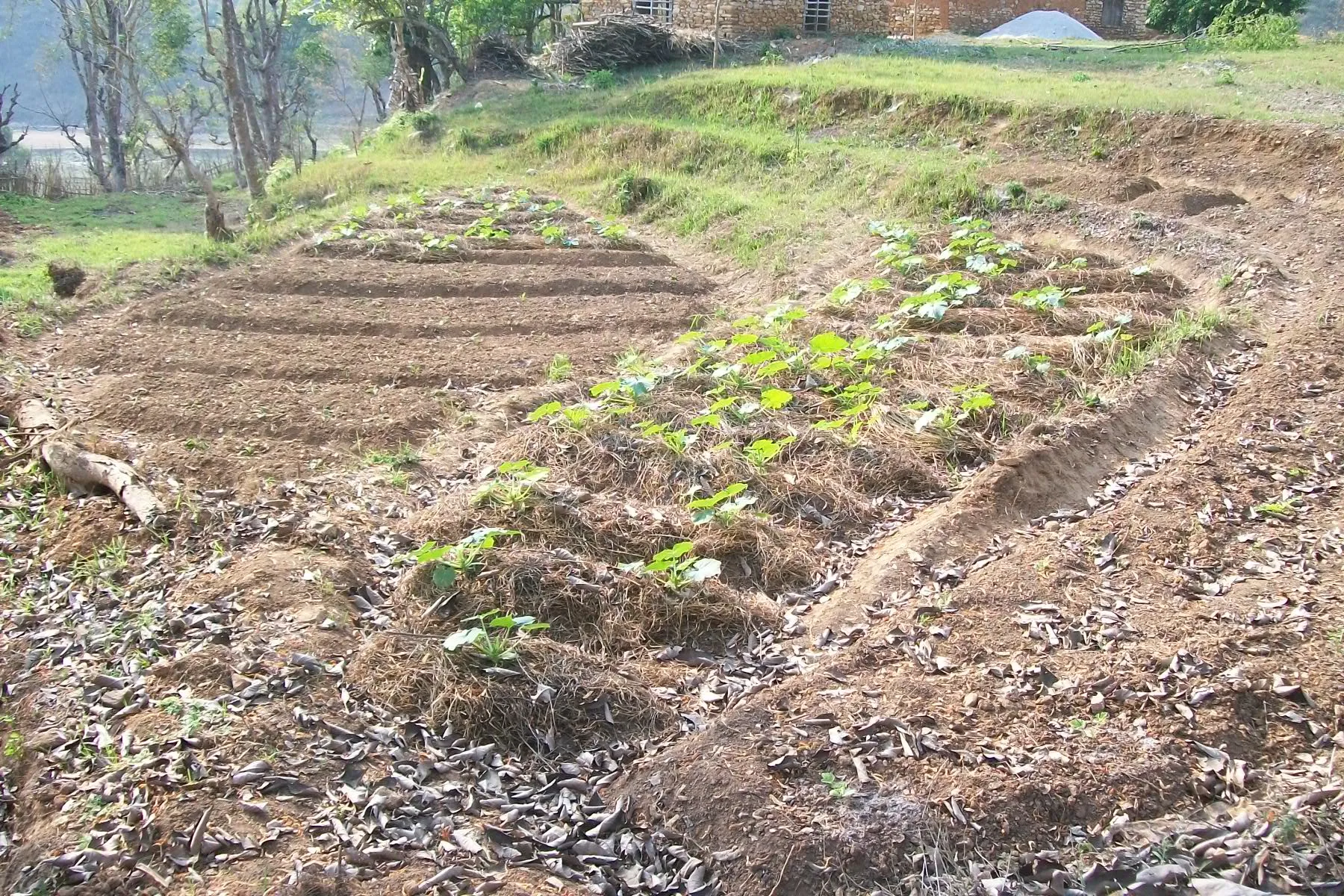
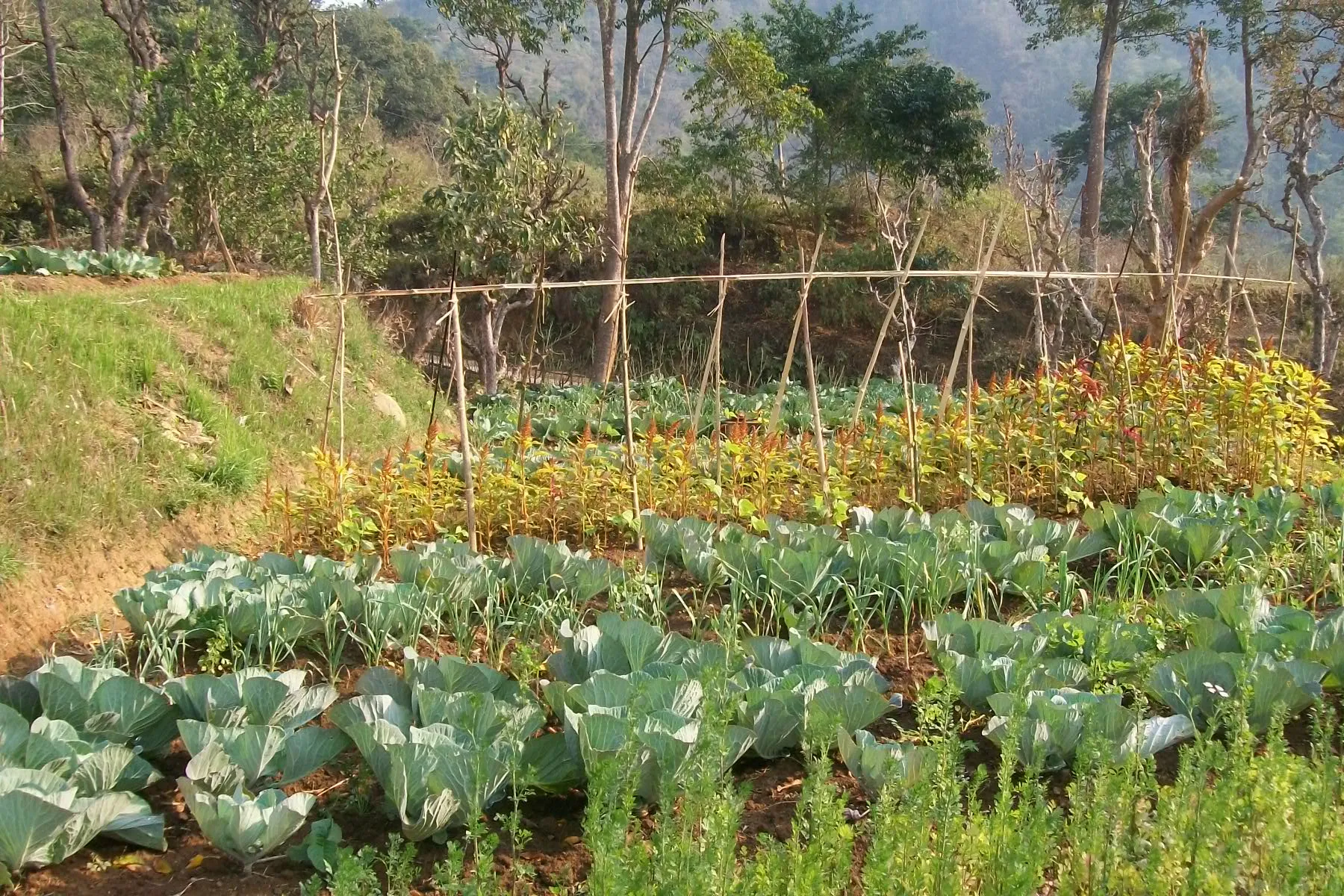
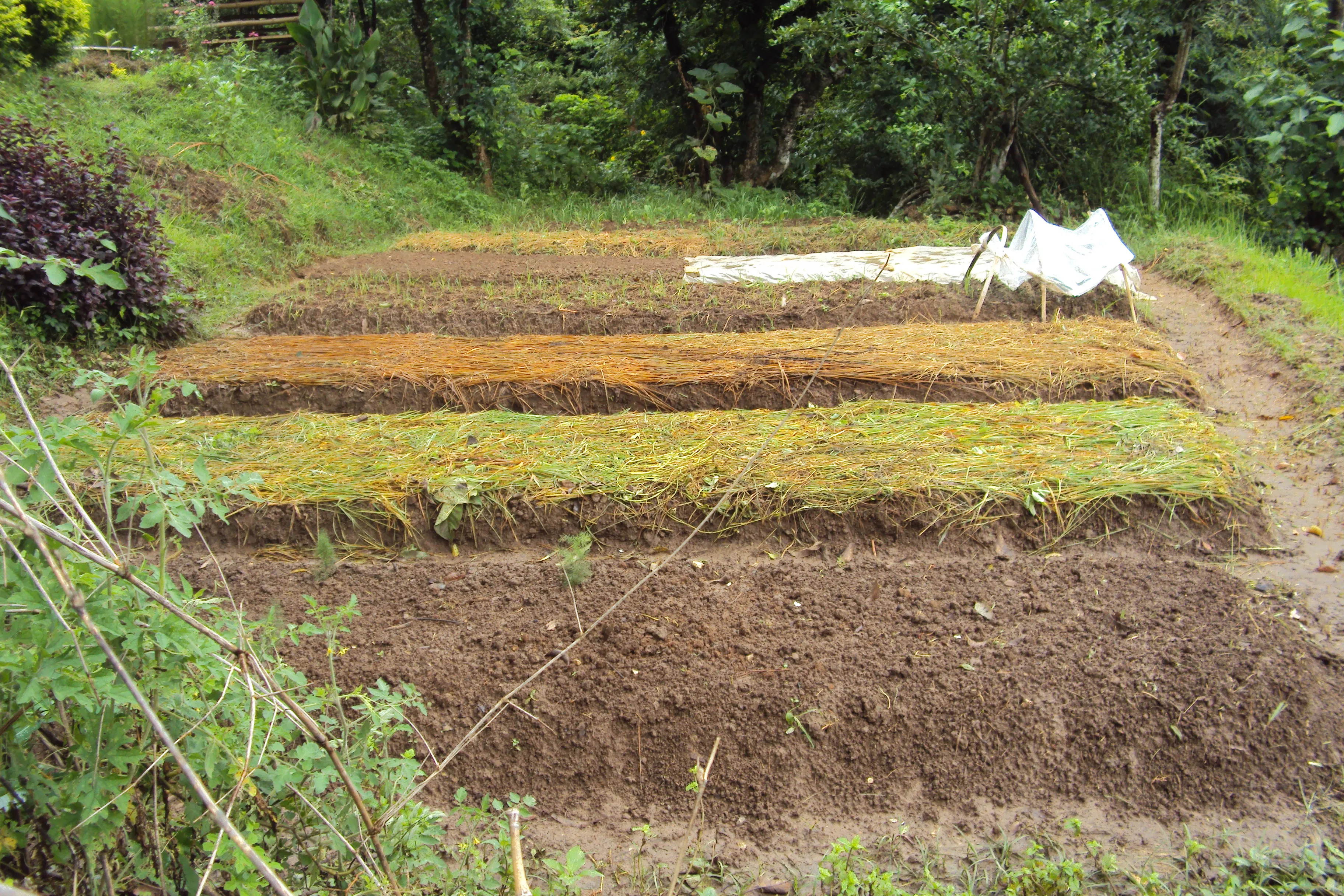
- Daily tasks include composting, seed saving, crop rotation, natural pest control, and weeding.
- Volunteers live within farming communities, gaining cultural immersion while sharing skills and knowledge.
- Programs offered by Sustainable Agriculture Development Program (SADP-Nepal) combine practical farm work with farmer training and education.
Importance for Local Communities
- Economic resilience: Farmers reduce reliance on costly chemical fertilizers and pesticides, lowering expenses and increasing profits.
- Food security: Regenerative methods improve yields sustainably, ensuring families have reliable access to nutritious food.
- Community empowerment: Training campaigns equip farmers with knowledge of soil health, water conservation, and organic techniques, fostering independence and innovation.
- Market opportunities: Demand for ethically grown produce creates new income streams for rural households.
Importance for the Planet
- Soil regeneration: Practices like composting and crop rotation restore soil fertility, reversing decades of degradation.
- Climate resilience: Organic farming reduces greenhouse gas emissions and enhances carbon sequestration in soils.
- Biodiversity protection: Avoiding chemical inputs safeguards pollinators, local wildlife, and water systems.
- Global sustainability: Aligns with the UN Sustainable Development Goals (SDGs), particularly those on sustainable agriculture, climate action, and responsible consumption.