Construction
Volunteering.
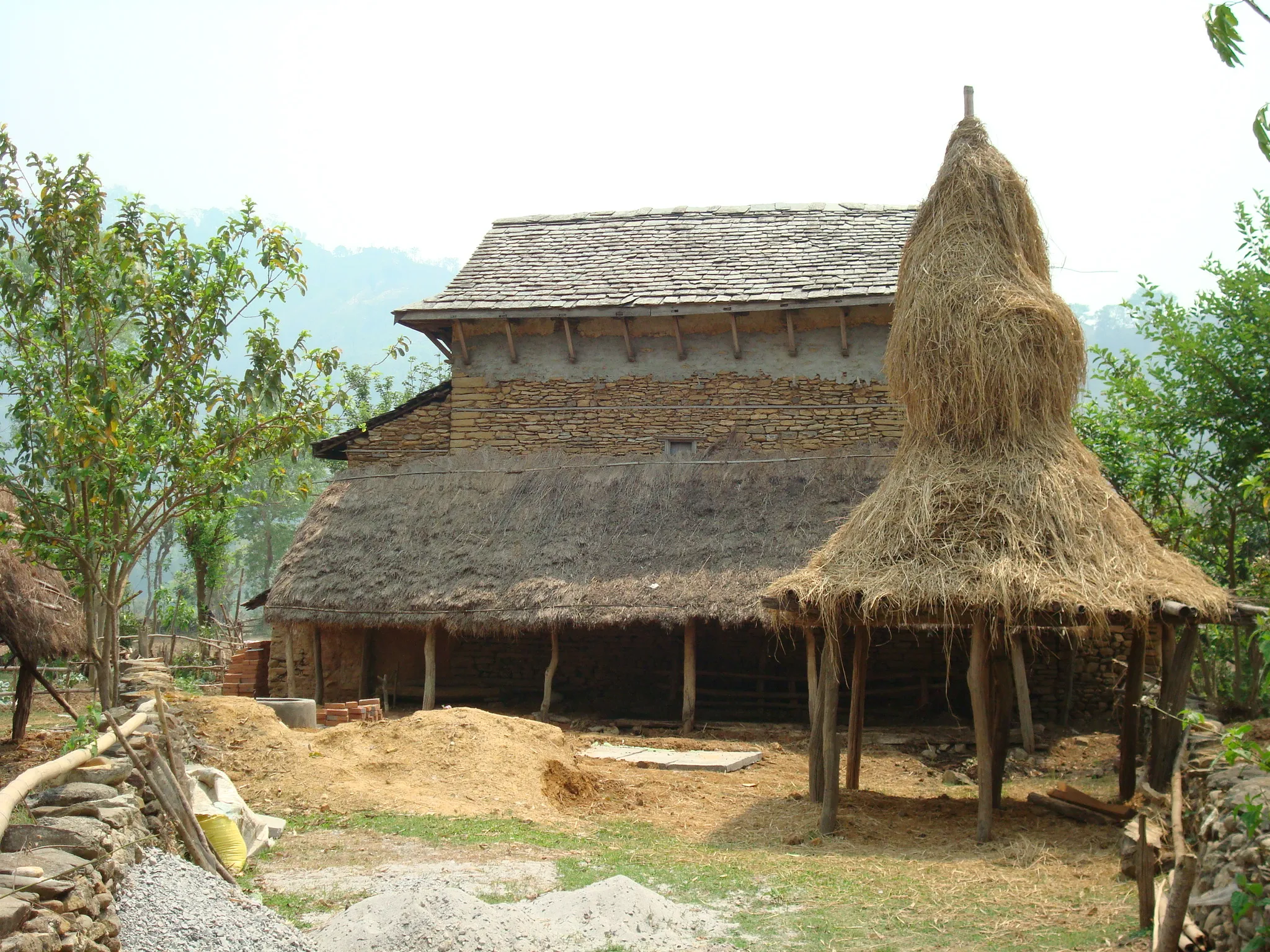
Nepal is a beautiful country. However, because of lengthy political instability, harsh geographical topography, and scarcity of human resources, communities do not have enough environment friendly homes. Volunteering in construction projects across Nepal using locally available natural materials such as stone, bamboo, mud, and timber is deeply impactful.
Purpose of These Projects.
These methods not only reduce costs but also preserve traditional craftsmanship and ensure resilience in rural communities. Playing with natural materials with fellow volunteers and making an impact is a fun and soul-pleasing activity.
School Buildings
Constructing safe, durable classrooms with local natural materials to support education in the communities.
Small Health Posts
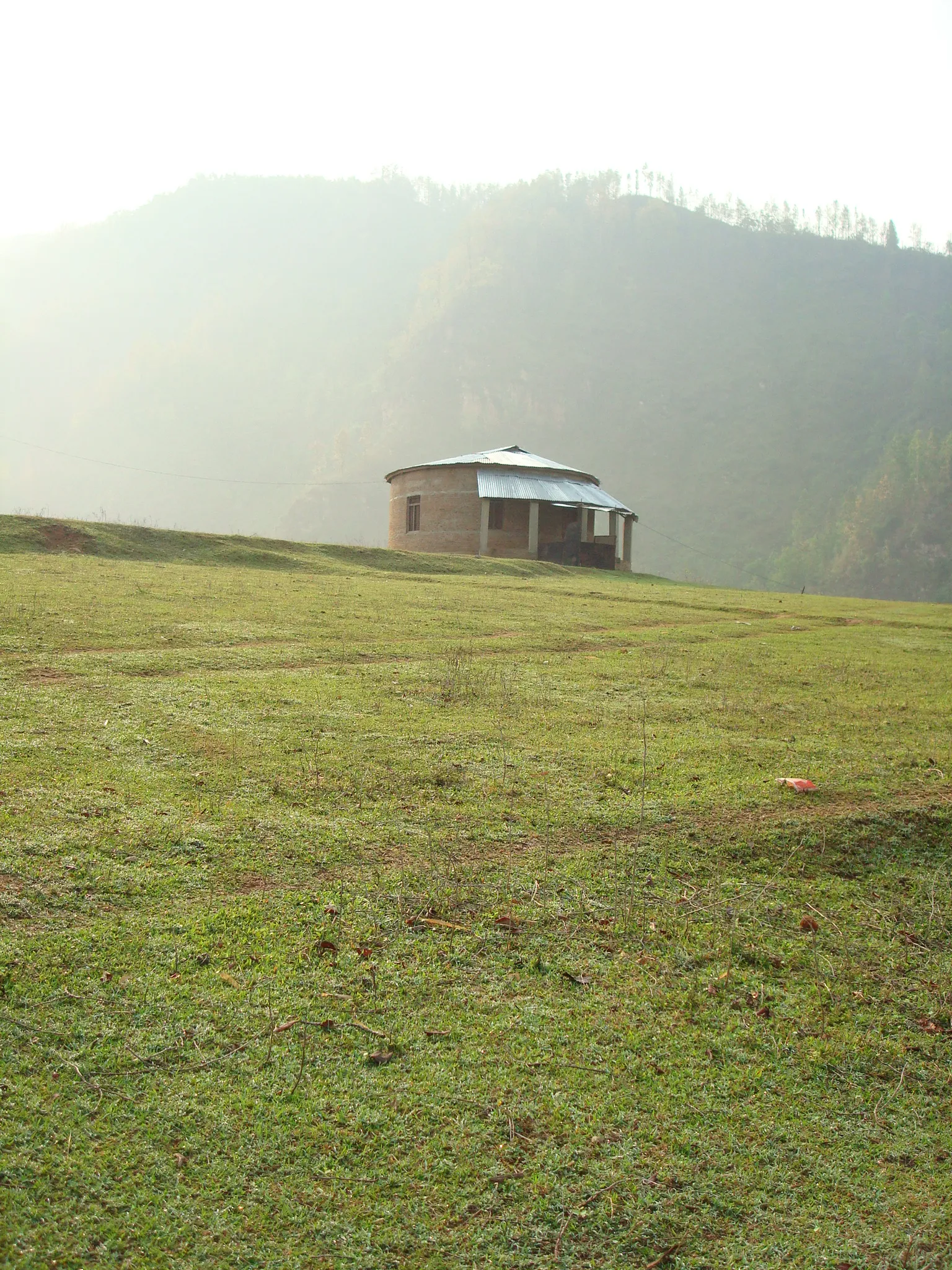
Creating a basic medical facility that provides essential healthcare access to remote areas.
Homes for Underprivileged
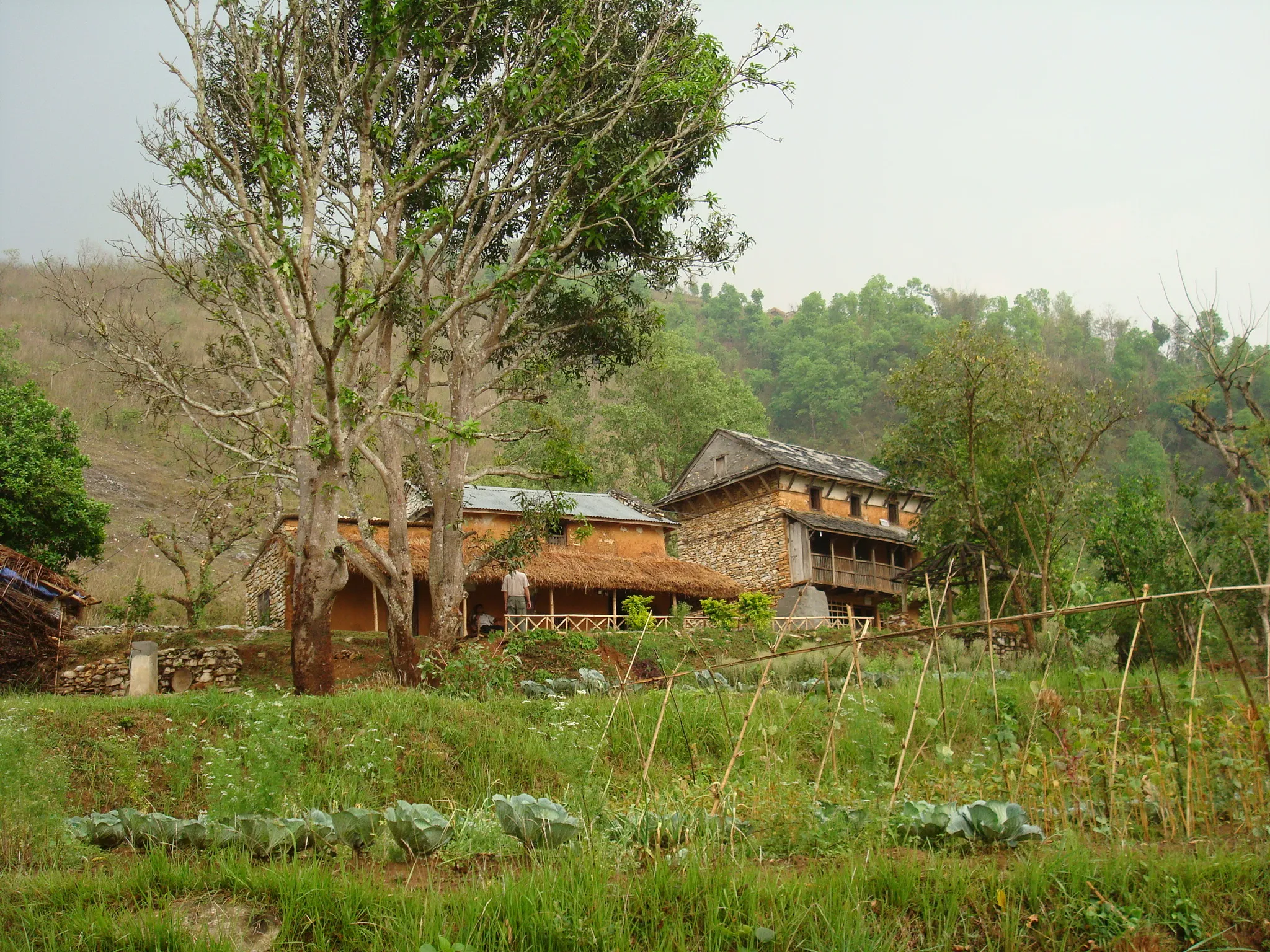
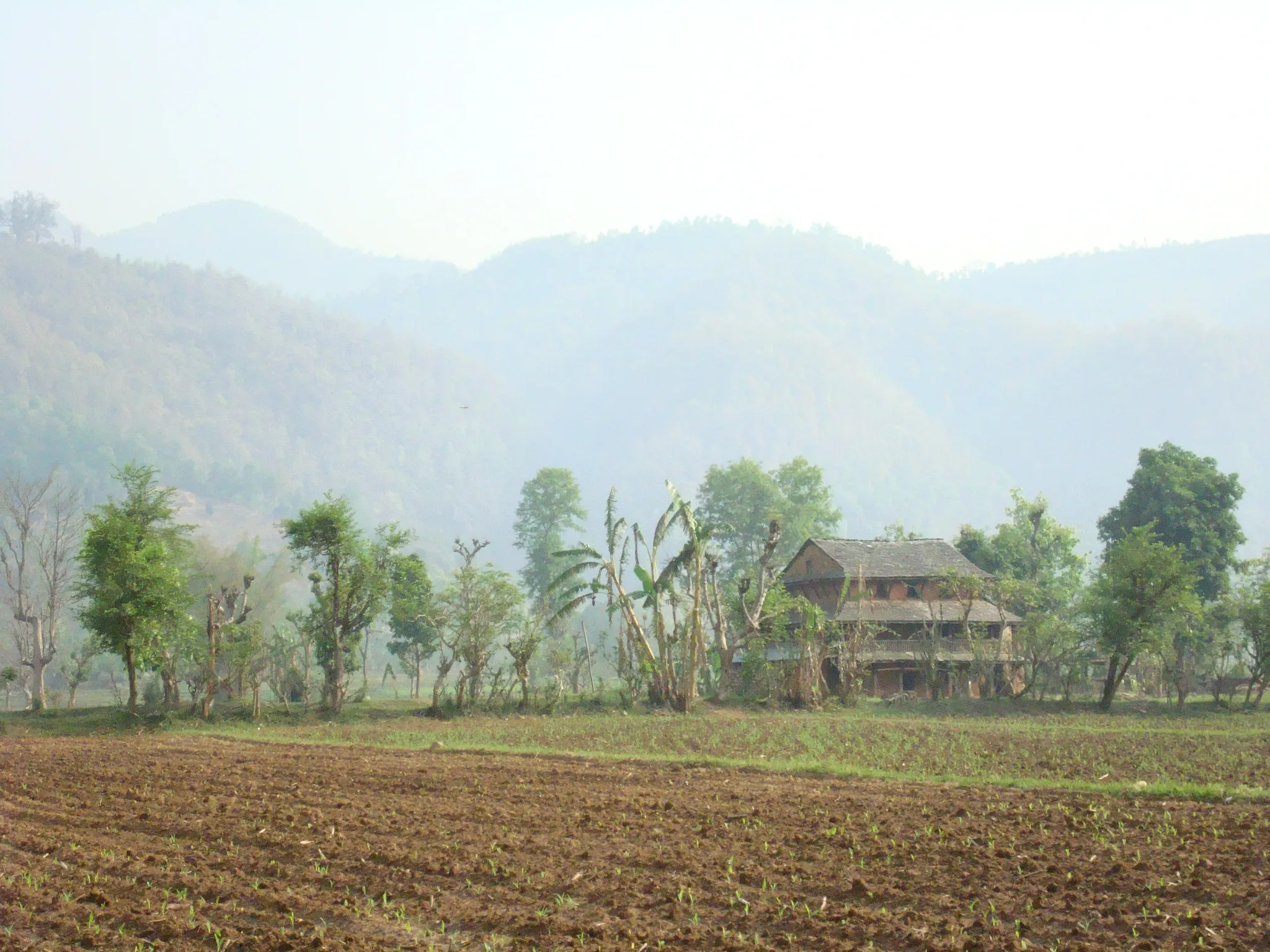
Building affordable, eco-friendly housing for families in need using local and environmentally friendly materials.
iSME Agricultural Buildings
Supporting small-scale enterprises by building storage units, processing centers, and training halls for farmers.
Construction Approach
- Local materials: Bamboo for scaffolding and roofing, stone for foundations, mud bricks for walls, and timber for structural support.
- Traditional techniques: Combining indigenous knowledge with modern safety standards.
- Community participation: Villagers often join volunteers, ensuring ownership and sustainability.
Rural Impact
- Education access: Children benefit from safe, weather-resistant schools.
- Healthcare reach: Health posts reduce travel time for medical care.
- Housing dignity: Families gain secure homes, improving living standards.
- Agricultural empowerment: Farmers store produce safely and expand small businesses.
Volunteer Experience
- Hands-on learning: Gain skills in eco-construction and teamwork.
- Cultural immersion: Work alongside locals, share meals, and learn about traditions.
- Sustainable impact: Contribute to projects that last for generations.